
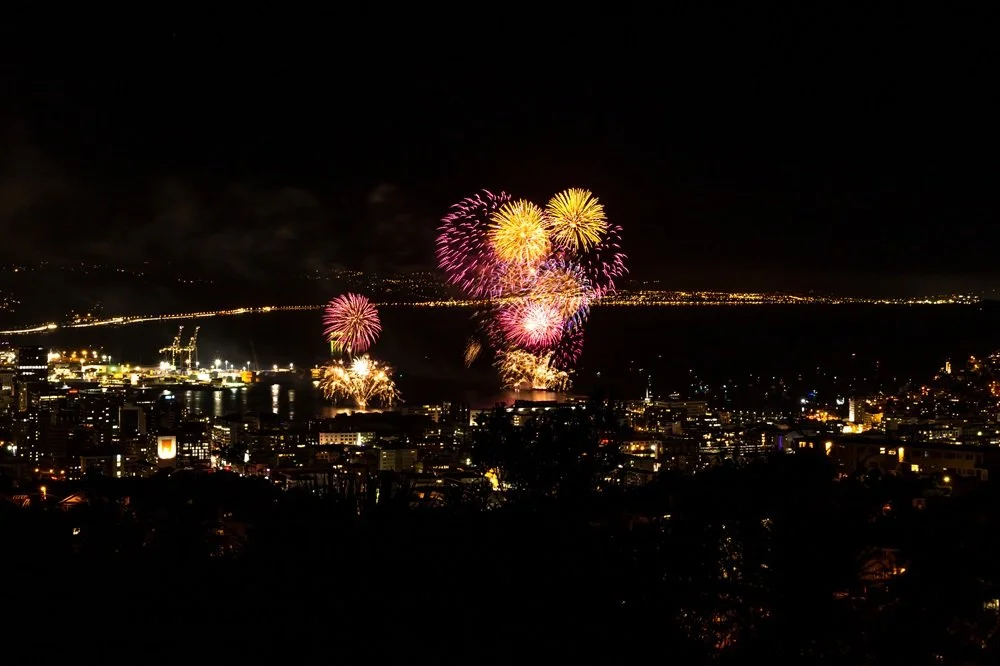
What: Matariki
When: 9-11 July 2026
As the days grow shorter and winter settles across Aotearoa, a special cluster of stars appears in the early morning sky. Known as Matariki, these stars herald the beginning of the Māori New Year and invite us all to pause, reflect and reconnect.
In 2026, Matariki will be celebrated from 9–11 July, with the national public holiday falling on Friday, 10 July. More than just a date on the calendar, Matariki is a deeply meaningful time that brings together communities, whānau and friends to honour the past, celebrate the present and prepare for the future.
What is Matariki?
Matariki is the Māori name for the cluster of stars known internationally as the Pleiades. For generations, Māori have looked to the rising of Matariki in midwinter as the beginning of a new year and a marker of seasonal change.
The appearance of these stars has long guided important decisions around planting, harvesting and preparing for the colder months ahead. Traditionally, clear and bright stars signalled a warm and abundant season, while hazy stars suggested a more challenging winter.
Because Matariki follows the Māori lunar calendar, the celebration takes place on different dates each year.
The Meaning Behind Matariki
At its heart, Matariki is a celebration of the cycle of life. It encourages us to reflect on three important themes:
Remembering those who have passed
Matariki is a time to honour loved ones who are no longer with us. Traditionally, their names are spoken, their stories shared, and their spirits acknowledged as they journey onward.
Celebrating the present
The season is also about gratitude - taking time to appreciate the people, opportunities and blessings in our lives. It is a chance to gather together, share food, sing, play games and strengthen connections with family, friends and community.
Looking to the future
Just as our ancestors looked to the stars for guidance, Matariki encourages us to set intentions for the year ahead. It is a time of hope, planning and renewal.
The Story of the Matariki Stars
According to Māori tradition, Matariki is linked to Tāwhirimātea, the atua (god) of the winds. In his grief and anger after the separation of his parents, Ranginui (Sky Father) and Papatūānuku (Earth Mother), he tore out his eyes and cast them into the heavens. These became the stars of Matariki.
One of the most beloved stories describes Matariki as a mother star travelling across the sky with her six daughters:
Tupu-ā-nuku - connected to food and plants grown from the earth.
Tupu-ā-rangi - associated with the forests, birds and aspirations.
Waipunarangi - guardian of the rain and freshwater.
Waitī - connected to streams and freshwater creatures.
Waitā - associated with the ocean and marine life.
Ururangi – linked to the winds and weather.
Together, they represent the interconnectedness of the natural world and remind us of the importance of caring for our environment and one another.
Matariki Herenga Waka: A Celebration for Everyone
The 2026 national Matariki celebration will take place in Tāmaki Makaurau Auckland, hosted by Ngāti Whātua Ōrākei, under the theme Matariki Herenga Waka.
The phrase reflects Auckland's reputation as a gathering place of many peoples and cultures. It celebrates inclusion, diversity and belonging, recognising that Matariki is a time for everyone to come together, regardless of background.
The theme encourages people to learn, share and celebrate together, embracing the values that make Matariki so special: remembrance, gratitude, unity, respect, generosity and hope.
What Can You Experience During Matariki?
Across the country, Matariki comes alive through a vibrant programme of events and experiences that honour both tradition and contemporary culture.
Visitors and locals can enjoy:
Spectacular light displays and projections
Landmarks, public spaces and city centres are transformed with stunning light installations that celebrate Māori stories, stars and culture.
Cultural performances
Experience powerful kapa haka performances, traditional waiata (song), storytelling, theatre and contemporary Māori arts.
Community celebrations
Many towns and cities host free whānau-friendly events featuring food stalls, workshops, markets and interactive activities.
Stargazing experiences
Join guided astronomy sessions and learn how Māori traditionally read the stars and navigated by the night sky.
Art exhibitions and creative installations
Museums, galleries and cultural centres often showcase exhibitions exploring Māori history, mātauranga (knowledge), and the significance of Matariki.
Kai experiences
Food plays a central role in Matariki. Many events feature shared meals, traditional Māori cuisine and opportunities to learn about harvesting, sustainability and seasonal food practices.
Educational workshops
Learn about Māori traditions, language, storytelling, navigation, weaving, carving and the cultural significance of the Matariki stars.
A Time to Gather Under the Stars
Matariki is more than a celebration, it is an invitation. An invitation to slow down, reconnect with loved ones, honour those who came before us and dream about what lies ahead.
Whether you attend a major festival, enjoy a community gathering, share a meal with whānau, or simply take a moment to look up at the winter sky, Matariki offers a powerful reminder that every new year begins with reflection, gratitude and hope.
As the stars of Matariki rise once again in July 2026, they invite us all to come together, celebrate our connections, and embrace the possibilities of a new season.
Mānawatia a Matariki — Happy Māori New Year.